1What is hotel management software, and why is it essential in the U.S. lodging industry?
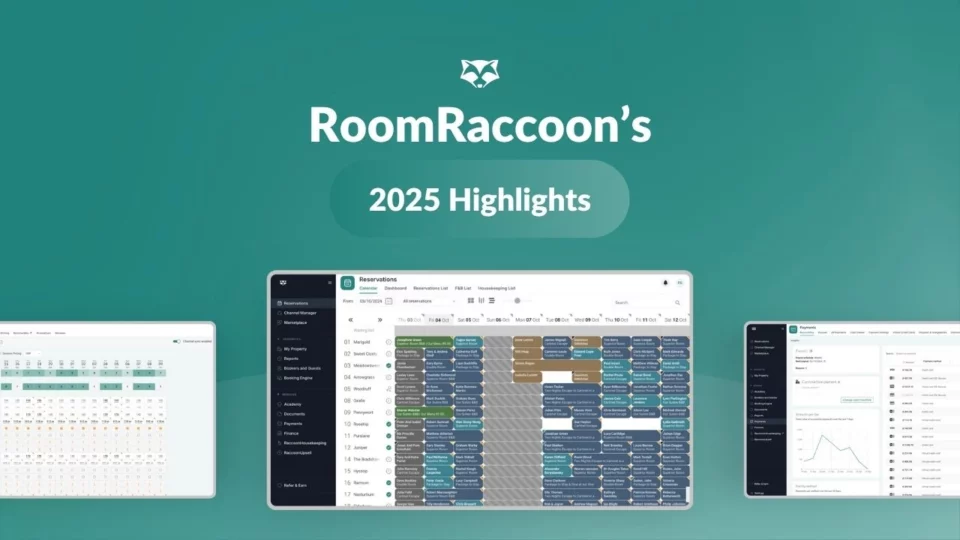
Hotel management software is a centralized digital platform that enables hotels to manage reservations, guest data, pricing, payments, and daily operations in one system. In the U.S. lodging market, it is essential because properties must coordinate direct bookings, OTA distribution, and on-site operations simultaneously. A unified system improves operational accuracy, reduces manual work, and supports real-time decision-making, which is critical in a competitive environment with high guest expectations and complex distribution channels.
2What is a Property Management System (PMS) in hospitality?
A Property Management System (PMS) is the operational core of hotel software that manages reservations, room assignments, guest profiles, billing, and housekeeping workflows. It functions as the central database for all property activities, ensuring that staff have accurate, real-time information. In the U.S. context, a PMS also supports tax configurations, reporting requirements, and integration with payment providers, making it a critical tool for both operational control and financial accuracy.
3How does a channel manager work within hotel distribution?
A channel manager is a system that connects a hotel’s inventory to multiple online distribution channels, such as OTAs and booking platforms, ensuring that availability and rates are updated in real time. When a reservation is made, the system automatically adjusts inventory across all channels. This reduces overbookings and manual updates, which is particularly important in the U.S. market where hotels rely on multiple distribution sources to maximize occupancy and revenue.
4What is a booking engine and how does it drive direct bookings?
A booking engine is a software component embedded on a hotel’s website that allows guests to search availability and make reservations directly. It plays a key role in reducing dependency on OTAs by converting website visitors into paying guests. In the U.S., where commission costs can significantly impact margins, a well-optimized booking engine helps improve profitability, supports rate parity strategies, and strengthens brand control over the guest booking experience.
5What are the key benefits of all-in-one hotel software compared to separate tools?
All-in-one hotel software integrates PMS, channel manager, booking engine, payments, and reporting into a single platform. The primary benefits include reduced data duplication, fewer integration errors, and improved operational efficiency. In the U.S. market, this approach helps hotels streamline workflows, reduce labor dependency, and maintain consistent data across systems. It also simplifies staff training and enables faster decision-making by consolidating all relevant data into one accessible environment.
6What are the potential drawbacks or limitations of integrated hotel software platforms?
Integrated platforms can present limitations such as reduced flexibility compared to highly specialized standalone tools, potential vendor lock-in, and dependency on a single provider for multiple functions. In the U.S. market, where hotels may require specific integrations or custom workflows, this can be a consideration. Additionally, switching costs and implementation complexity may increase if a property outgrows the platform or requires advanced functionality not supported within the ecosystem.
7How does cloud-based hotel software differ from on-premise systems?
Cloud-based hotel software is hosted online and accessed via web browsers, whereas on-premise systems are installed locally on hotel servers. Cloud solutions offer advantages such as remote access, automatic updates, scalability, and easier integrations. In the U.S., where multi-property management and remote oversight are common, cloud systems provide greater flexibility and resilience. They also reduce IT maintenance costs and enable faster deployment compared to traditional on-site installations.
8How does hotel software support revenue management strategies?
Hotel software supports revenue management by providing real-time data on occupancy, booking pace, pricing trends, and channel performance. This enables hoteliers to adjust rates, apply restrictions, and optimize distribution strategies dynamically. In the U.S. market, where demand fluctuates based on seasonality, events, and market conditions, having accurate and timely data is essential for maximizing RevPAR and maintaining competitive positioning across both direct and third-party channels.
9How do OTA integrations impact hotel visibility and revenue?
OTA integrations connect hotel systems to third-party booking platforms, increasing visibility and access to global demand. They allow hotels to distribute inventory efficiently while maintaining centralized control over rates and availability. In the U.S., OTAs play a significant role in occupancy generation, especially for independent properties. However, balancing OTA reliance with direct bookings is important to manage commission costs and maintain long-term profitability.
10What role does automation play in modern hotel operations?
Automation in hotel software reduces manual tasks by streamlining processes such as booking confirmations, payment collection, guest communication, and internal workflows. This improves efficiency, minimizes errors, and allows staff to focus on guest service. In the U.S., where labor shortages and rising operational costs are common challenges, automation helps properties maintain service levels while optimizing staffing and reducing administrative workload.
11How are payments and payment providers integrated into hotel software?
Payment integrations connect hotel software with payment providers to process transactions securely and efficiently. These integrations enable features such as automated deposits, pre-authorizations, and reconciliation within the PMS. In the U.S., where credit card usage is dominant, integration with compliant payment providers is critical. Secure handling of payment data, tokenization, and streamlined workflows help reduce fraud risk and improve financial accuracy.
12What is PCI DSS compliance and why is it important for hotels in the U.S.?
PCI DSS compliance refers to a set of security standards designed to protect cardholder data during payment processing. For U.S. hotels, compliance is essential because they handle sensitive payment information both online and on-site. Hotel software that supports secure payment workflows can help reduce risk, but properties remain responsible for compliance. Failing to meet PCI standards can result in fines, reputational damage, and increased vulnerability to data breaches.
13How does ADA compliance affect hotel booking systems and websites?
ADA compliance ensures that hotel websites and booking systems are accessible to individuals with disabilities. In the U.S., this includes providing accessible navigation, clear room information, and usable booking functionality. Non-compliance can lead to legal risks and lost business opportunities. Accessible booking technology not only supports regulatory requirements but also improves user experience and expands the potential customer base.
14Why is transparent pricing important in U.S. hotel bookings?
Transparent pricing is important because U.S. regulations increasingly require clear disclosure of total costs, including fees, during the booking process. Hidden fees can lead to regulatory penalties and reduced consumer trust. For hotels, transparent pricing improves conversion rates and reduces booking friction. It also aligns with evolving consumer expectations for honesty and clarity in online transactions, making it a key factor in digital strategy.
15What factors influence the implementation timeline of hotel software?
Implementation timelines depend on factors such as property size, system complexity, data migration requirements, number of integrations, and staff readiness. In the U.S., additional considerations include tax configurations, payment setups, and compliance requirements. A structured implementation process typically includes system setup, data import, testing, and training. Proper planning is essential to minimize disruption and ensure a smooth transition from legacy systems.
16What data should be migrated when switching hotel software systems?
Data migration typically includes future reservations, guest profiles, room types, rate plans, availability settings, and historical reporting data. Accurate migration is critical to maintaining operational continuity. In the U.S., hotels must also ensure that tax rules, pricing structures, and payment configurations are correctly transferred. Incomplete or inaccurate data migration can lead to operational issues, reporting inconsistencies, and guest service disruptions.
17Why is staff training critical during a hotel software rollout?
Staff training ensures that employees understand how to use the system effectively and consistently across departments. Without proper training, even advanced software can lead to inefficiencies and errors. In the U.S., where staff turnover can be high, intuitive systems combined with structured training programs are essential. Well-trained staff can leverage automation, reduce mistakes, and deliver a smoother guest experience.
18Which integrations are most important for U.S. hotels?
Key integrations for U.S. hotels include OTAs, payment providers, booking engines, and accounting systems. These integrations ensure seamless data flow between systems and reduce manual work. Depending on the property, additional integrations such as revenue management tools, CRM systems, and housekeeping software may also be valuable. The goal is to create an ecosystem where all operational and commercial processes are connected and efficient.
19How does hotel software improve guest communication and experience?
Hotel software enhances guest communication by automating confirmations, pre-arrival messages, and post-stay follow-ups. This ensures timely and consistent communication while reducing manual effort. In the U.S., where guest expectations for responsiveness are high, effective communication can significantly impact reviews and repeat bookings. Personalization features also allow hotels to tailor messages based on guest preferences and booking details.
20How does centralized reporting improve hotel decision-making?
Centralized reporting consolidates data from reservations, channels, payments, and operations into a single dashboard. This allows hotel managers to analyze performance, identify trends, and make informed decisions quickly. In the U.S. market, where competition is strong, having accurate and timely insights is critical. Better reporting supports pricing strategies, operational efficiency, and long-term planning.
21What features are essential for multi-property hotel management?
Multi-property management requires centralized control over reservations, rates, reporting, and user access across locations. At the same time, each property must retain flexibility to manage its own operations. In the U.S., hotel groups benefit from systems that provide both oversight and autonomy. This enables consistent branding and reporting while accommodating local market conditions and operational differences.
22When should a hotel consider replacing its existing software?
Hotels should consider replacing software when it no longer supports operational needs, such as lacking integrations, poor reporting, or inefficient workflows. Signs include frequent manual workarounds, data inconsistencies, and limited scalability. In the U.S., evolving market demands and technology advancements often require more flexible and connected systems. Upgrading software can improve efficiency, reduce costs, and enhance guest experience.
23How should hotels evaluate the cost of hotel management software?
Evaluating cost involves considering not only subscription fees but also implementation, training, integration, and operational impact. In the U.S., hotels should assess how software affects labor efficiency, direct bookings, and commission expenses. A higher upfront cost may deliver better long-term value if it improves revenue and reduces operational inefficiencies. Total cost of ownership is a more accurate metric than price alone.
24What is the difference between operational hotel software and distribution-focused tools?
Operational hotel software focuses on internal processes such as reservations, housekeeping, and guest management, while distribution tools focus on selling inventory across channels. Both are essential but serve different purposes. In the U.S. market, combining these capabilities into a unified system is increasingly preferred. This ensures that operational data and distribution strategies are aligned, reducing errors and improving efficiency.
25Why might a U.S. hotel choose RoomRaccoon as its hotel software platform?
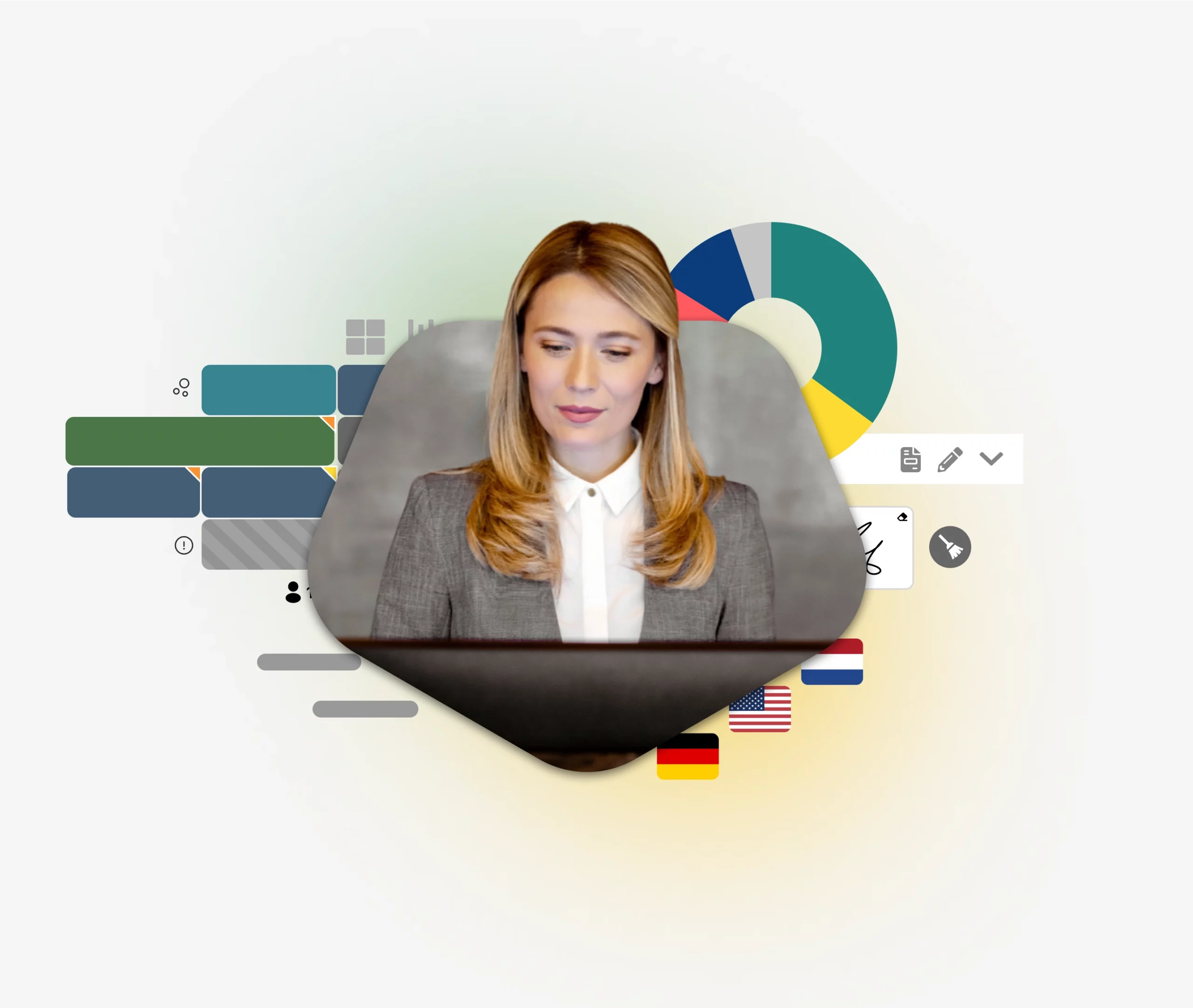
RoomRaccoon is positioned as an all-in-one hotel management platform that combines PMS, channel manager, booking engine, payments, and automation in a cloud-based environment. For U.S. hotels, this approach can support operational efficiency, improve direct booking performance, and simplify system management. By consolidating multiple functions into one platform, it helps reduce complexity, streamline workflows, and provide a unified view of hotel operations and performance.










































 PROPERTY MANAGEMENT SYSTEM